
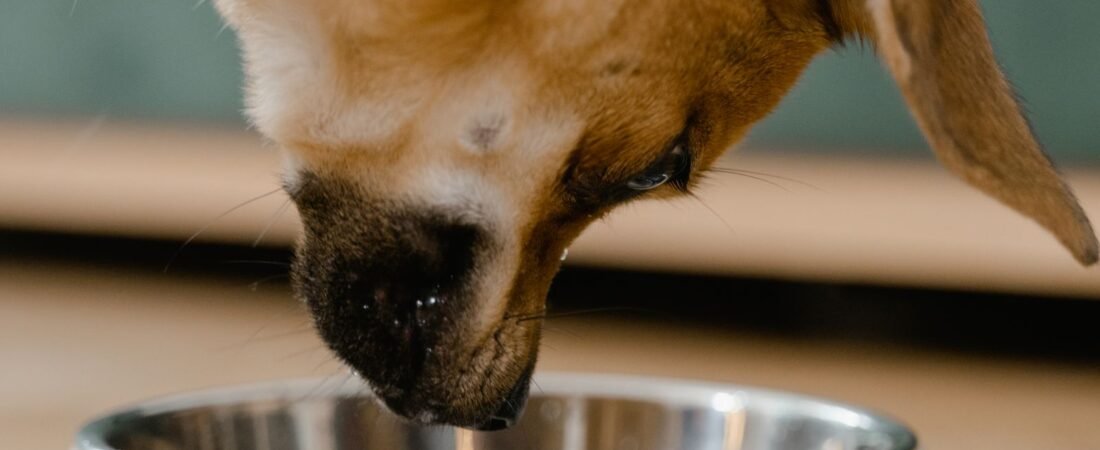
Water is easy to overlook. We think carefully about food, treats, and walks, but the water bowl often gets a quick refill and little thought. Yet water is the nutrient dogs need in the largest amount, and it plays a part in almost everything: digestion, temperature control, joint health, and keeping the kidneys working well. Most healthy dogs drink enough on their own, but it helps to know roughly how much they should be drinking, so you can spot when something has changed.
The usual guide is that a healthy dog drinks about 1 ounce of water per pound of body weight per day, or about 50 to 60 milliliters per kilogram. That is a typical range, not a rule, and it can vary a lot with weather, activity, diet, and age. This guide explains how to work out a rough amount for your dog, what can push drinking up or down, and when a change in drinking is worth a call to your vet.
How much water should a dog drink per day by weight?
Use the table below as a starting point. Find your dog’s weight, and the range shows a typical daily amount in cups and ounces. One cup is about 8 fluid ounces.
| Dog weight | Typical water per day | In cups |
|---|---|---|
| 5 pounds | 5 to 7 ounces | About 3/4 cup |
| 10 pounds | 10 to 15 ounces | About 1 1/4 to 2 cups |
| 20 pounds | 20 to 30 ounces | About 2 1/2 to 3 3/4 cups |
| 30 pounds | 30 to 45 ounces | About 3 3/4 to 5 1/2 cups |
| 50 pounds | 50 to 75 ounces | About 6 to 9 cups |
| 70 pounds | 70 to 105 ounces | About 8 3/4 to 13 cups |
| 90 pounds | 90 to 135 ounces | About 11 to 17 cups |
Those figures include water from food as well as from the bowl, so a dog that eats wet food may drink less from the bowl than a dog that eats dry food. Puppies, very active dogs, and dogs in hot weather often drink more, while older or less active dogs may drink a little less. What matters most is the pattern over days, not one single day.
What makes a dog drink more?
Heat is the biggest factor. Dogs cool themselves by panting, which uses water, so a dog will drink more on a hot day, after exercise, or in a warm house. Activity matters too: a dog that has just been for a long run or a play session will usually head straight for the bowl. Diet plays a part as well. Dry food contains very little water, so dogs on dry food tend to drink more, while dogs on wet food get a good share of their water from the meal itself. Salty treats can also make a dog thirstier for a while.
Puppies often drink more than adult dogs for their size, because they are growing, active, and still learning to regulate themselves. That is normal, as long as the puppy is also eating well, playing, and going to the toilet normally. If you are also working out food amounts, our puppy feeding chart by age and weight can help you plan meals alongside water.
What makes a dog drink less?
Some dogs drink less in cold weather, when they are less active, or when they are getting a lot of water from wet food. A dog that is sleeping most of the day will usually drink less than a dog that is out and about. That is not usually a concern on its own. What is worth noticing is a sudden drop in drinking, especially if your dog also seems tired, is eating less, or is not going to the toilet as often. A dog that refuses water for a whole day, or that seems weak or unwell, should be checked by a vet promptly.
How to keep your dog drinking enough
- Keep fresh, clean water available at all times, and wash the bowl daily.
- Put a bowl in more than one place, especially in a larger home or on different floors.
- Take water on walks and car trips, particularly in warm weather.
- Refill the bowl often, rather than letting it sit empty or go stale.
- Try a second bowl or a different spot if your dog seems to avoid the usual one.
- Offer a little water after meals and after play, when most dogs are thirsty.
If your dog is reluctant to drink, a ceramic or stainless steel bowl can help, because some dogs dislike the taste or smell of plastic. Keep the bowl away from the toilet area and from noisy appliances, and make sure it is stable and easy to reach, especially for older dogs or puppies.
When to talk to your vet
Check with your vet if your dog is drinking much more than usual for more than a day or two, or much less, especially if there are other changes, such as eating less, needing to go outside far more often, seeming tired, or losing weight. A vet can check whether the change is linked to heat, diet, or activity, or whether it needs a closer look. It helps to keep a simple note of how often you refill the bowl for a few days, so you can describe the change clearly.
As a simple check at home, look at your dog’s gums. They should be moist and pink. Dry or sticky gums, along with tiredness or a loss of appetite, are signs to get advice from your vet rather than waiting. Do not try to force a dog to drink large amounts at once, and never add anything to the water without veterinary advice.
Frequently asked questions
How much water should a 50-pound dog drink per day?
A typical range is about 50 to 75 ounces per day, or about 6 to 9 cups, including water from food. Activity, weather, and diet can push that up or down, so treat the range as a guide and watch your dog’s usual pattern.
Is it normal for a dog to drink a lot after a walk?
Yes, it is normal for a dog to drink more after exercise, especially in warm weather. Panting uses water, and a dog will usually replace it by drinking when the walk is over. Offer water in small amounts at first, then let your dog drink normally.
Should I limit my puppy’s water at night?
Some owners take water away an hour or two before bed to help with house training, but puppies still need water during the day, and a puppy that is thirsty should always have access. If you are unsure, ask your vet what is right for your puppy’s age and routine.
Do dogs need more water in summer?
Yes, most dogs drink more in summer, because heat and activity increase water loss. Keep fresh water available, take water on walks, and watch for signs of overheating, such as heavy panting or tiredness. If you are worried, move your dog to shade and offer water, and call your vet if the signs do not settle.
Most dogs are good at drinking what they need, and your job is mainly to make it easy: fresh water, clean bowls, and a bowl within reach. Use the weight table as a rough guide, learn your dog’s usual pattern, and pay attention when that pattern changes. A steady drinking habit, alongside regular meals and vet check-ups, is one of the simplest ways to support your dog’s health every day. For the first week with a new puppy, see our new puppy checklist for the first week at home.
Sources
- American Kennel Club — guidance on how much water dogs need
- American Veterinary Medical Association — guidance on pet hydration and care
- ASPCA — guidance on keeping dogs hydrated and healthy
Photo: MART PRODUCTION / Pexels