
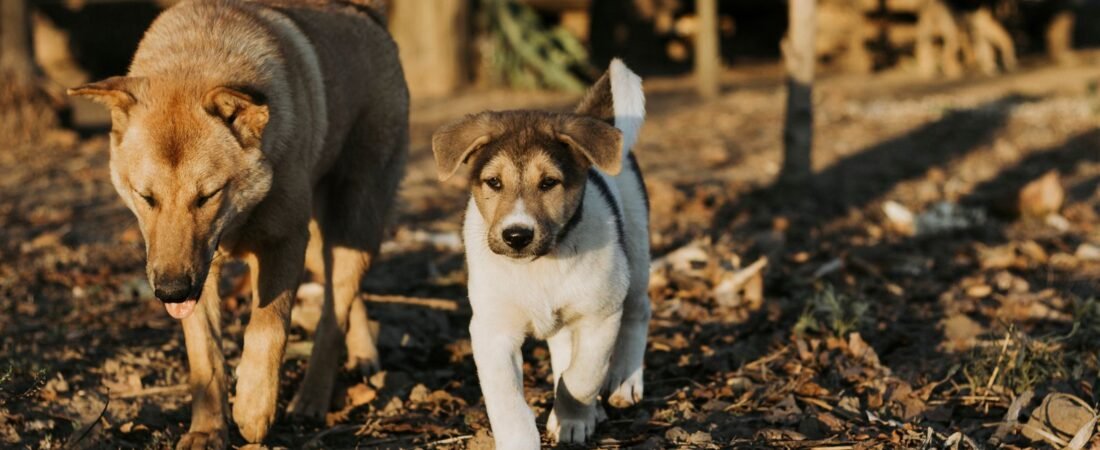
A dog’s life is not one long, unchanging stretch. It moves through clear stages — puppy, adult and senior — and each stage brings different energy, different needs and different joys. Understanding those stages helps you care for your dog well at every age, from the first wobbly weeks to the quiet, grey-muzzled years.
This guide explains what each life stage usually looks like, when it starts and ends, and how to adjust care as your dog moves from one to the next.
Life Stages of a Dog at a Glance
| Life stage | Typical age | What it is like | Care focus |
|---|---|---|---|
| Puppy | Birth to 12 months | Fast growth, learning, high energy | Socialisation, training, gentle growth |
| Adult | About 1 to 6 years | Settled, strong, active | Steady exercise, weight control, routine vet care |
| Senior | About 7 years and over | Slower, greyer, more rest | Comfort, gentle exercise, regular vet checks |
Those ages are typical guides, not fixed rules. A giant breed may become a senior at six, while a small breed may still be a lively adult at eight. Size, breed and individual health all shift the timing.
The Puppy Stage: Birth to 12 Months
Puppyhood is the fastest-changing stage of a dog’s life. In the first weeks, puppies are helpless and dependent on their mother. By eight weeks, most are ready for a new home. By six months, they are growing fast, teething and learning about the world at a remarkable pace.
This stage is about building a foundation. Gentle socialisation, short training sessions, regular meals and a safe, predictable home help a puppy grow into a confident adult. Exercise should be gentle and age-appropriate — short walks and play are better than long runs for growing joints. For a month-by-month look at this stage, read Puppy Growth Stages: Birth to 12 Months.
What puppies need most
Puppies need patience, consistency and kindness. They are learning everything for the first time: where to toilet, how to walk on a lead, how to greet people and other dogs. Short, positive experiences work best, and routines help them feel safe.
The Adult Stage: About 1 to 6 Years
Adulthood is the longest and most settled stage for most dogs. By now, your dog has reached most of their adult size, their energy has levelled out, and their personality is clear. This is the stage for long walks, games, training and adventures together.
Adult care is mostly about keeping the basics steady. Feed measured meals, keep exercise regular, keep weight in check, and keep vet visits routine. Adult dogs still need mental stimulation — new routes, scent games, training and play — to stay happy and healthy. It is also the stage to watch for the small changes that can signal a health issue, such as a change in appetite, thirst, weight or energy. If you notice a change, check with your vet.
When does adulthood start and end?
Small breeds often reach adulthood at around 9 to 12 months, medium breeds at 12 to 14 months, and large and giant breeds at 18 to 24 months. Adulthood usually lasts until the senior years begin, which can be at six for a giant breed and ten or later for a small breed. Our guide Dog Years to Human Years Chart (By Size) shows how the same age can mean a different stage for dogs of different sizes.
The Senior Stage: About 7 Years and Over
The senior stage is not a decline — it is a new chapter. Senior dogs often become calmer, more affectionate and more settled in their routines. They may sleep more, move a little more slowly and enjoy shorter walks, but they still love company, gentle play and time outdoors.
Senior care is about comfort and attention. Soft bedding, ramps or steps, non-slip mats, shorter but more frequent walks, and regular vet checks all help. Keep an eye on weight, teeth, eyes, hearing and mobility, and mention any change to your vet. If you want the size-by-size detail, read When Is a Dog Considered a Senior?
Signs your dog may be entering the senior stage
Common signs include a grey muzzle, slower starts in the morning, longer naps, less interest in long walks, and a little stiffness after rest. None of these alone means your dog is unwell, but together they are a good prompt to review their care and talk to your vet about senior check-ups.
How Care Changes Between Stages
Care does not need to change all at once. It shifts gradually, in step with your dog. Puppies need more frequent meals and toilet breaks, more socialisation and more patience. Adults need steady exercise, weight control and routine care. Seniors benefit from gentler exercise, more comfort, easier access to the garden and car, and more frequent vet visits.
Food, exercise and vet care should all be reviewed when your dog moves into a new stage. Change things gradually, watch how your dog responds, and ask your vet if you are unsure what is right for their age, size and health.
A Practical Guide to Each Stage
For a puppy, keep days short, positive and predictable: meals, toilet breaks, play, training and rest. For an adult, keep a steady routine of walks, play, training and rest, with weight and health checks along the way. For a senior, keep the routine but soften it: shorter walks, a warm bed, easy access, gentle play and plenty of company. At every stage, the best care is the simple, steady kind — good food, fresh water, exercise, rest, vet care and time together.
Frequently Asked Questions
What are the three main life stages of a dog?
Puppy, adult and senior. Puppyhood runs from birth to about 12 months, adulthood from about 1 to 6 years, and the senior stage from about 7 years onwards. The exact timing varies by size and breed.
When does a puppy become an adult?
Small breeds often become adults at 9 to 12 months, medium breeds at 12 to 14 months, and large and giant breeds at 18 to 24 months. Even after they stop growing taller, they may still fill out for a while.
When is a dog considered a senior?
It depends on size. Giant breeds are often seniors at six or seven, large breeds at seven or eight, and small breeds at ten or later. Your vet can help you judge the right time for your dog.
Do dogs’ needs change a lot between stages?
Yes, but gradually. Puppies need more training and socialisation, adults need steady exercise and weight control, and seniors need more comfort, gentler exercise and more frequent vet checks. The basics — good food, water, exercise, rest and vet care — stay the same throughout.
How long does each life stage last?
Puppyhood is the shortest, at about a year. Adulthood is usually the longest, at roughly five years or more. The senior stage can last several years, especially for small dogs, who often live 12 to 16 years in total. Those are typical ranges, not guarantees.
Sources
- American Kennel Club (AKC) — Dog life stages and breed information
- American Veterinary Medical Association (AVMA) — Senior Pet Care and life-stage guidance
- American Animal Hospital Association (AAHA) — Canine Life Stage Guidelines and Senior Care Guidelines
Every stage of a dog’s life has something to love. Puppyhood brings curiosity and chaos, adulthood brings strength and companionship, and the senior years bring calm, loyalty and a deep, quiet bond. Enjoy each stage for what it is, adjust care gently as your dog changes, and check with your vet when you need guidance. A dog who is well cared for at every stage is a dog who can enjoy every year to the full.
Photo: Thái Trường Giang / Pexels