
If someone asks how old your dog is in human years, the answer is probably more interesting than a quick bit of maths. The old rule — multiply by seven — is easy to remember, but it misses the two things that matter most: dogs age fastest in their first two years, and size changes the pace after that. A small dog and a giant dog who share a birthday are not ageing at the same speed at all.
This guide explains how the modern dog-years calculation works, gives you a clear chart by size, and shows how to use it without treating it as an exact birthday. Think of it as a useful map, not a stopwatch.
Why the “Multiply by Seven” Rule Does Not Work
The seven-year rule probably started because the average human lived about 70 years and the average dog lived about 10. That is a neat ratio, but it is not biology. In real life, a one-year-old dog is not like a seven-year-old child. By their first birthday, most dogs have already gone through the equivalent of puberty. By age two, many are closer in maturity to a young adult than to a teenager.
After those fast early years, ageing slows down — and that is where size starts to matter. Small dogs tend to keep a steadier pace for longer, while large and giant breeds often age faster in their middle and later years. That is why a 10-year-old Chihuahua and a 10-year-old Great Dane can look and feel very different, even though both are much-loved seniors in their own way.
The first two years count for a lot
Veterinary researchers often use 15 human years for a dog’s first year and about nine more for the second year, taking a two-year-old dog to roughly 24 human years. Those figures are widely used because they fit what vets see in growth, sexual maturity and early development. After age two, the yearly steps differ by size, which is exactly what the chart below shows.
Dog Years to Human Years Chart (By Size)
Use this chart as a typical guide. Individual dogs vary with breed, weight, health and lifestyle, so the figures are best read as ranges rather than exact ages. Small dogs are usually under 20 pounds, medium dogs are about 21 to 50 pounds, large dogs are about 51 to 90 pounds, and giant dogs are over 90 pounds.
| Dog’s age | Small | Medium | Large | Giant |
|---|---|---|---|---|
| 1 year | 15 | 15 | 15 | 15 |
| 2 years | 24 | 24 | 24 | 24 |
| 3 years | 28 | 29 | 30 | 31 |
| 4 years | 32 | 34 | 36 | 38 |
| 5 years | 36 | 39 | 42 | 45 |
| 7 years | 44 | 49 | 54 | 59 |
| 10 years | 56 | 64 | 72 | 80 |
| 12 years | 64 | 74 | 84 | 94 |
| 15 years | 76 | 89 | 102 | — |
The dash for a 15-year-old giant dog is deliberate. Very few giant breeds reach that age, so a figure would be more guesswork than guidance. If your giant dog is enjoying a long, comfortable later life, that is something to celebrate — and a good reason to keep vet visits regular.
How to Use the Chart for Your Dog
Start with your dog’s size as an adult, not their current weight as a puppy. A puppy who will grow into a large adult should be read on the large column, even while they still look small. If your dog sits between two sizes, use the range between the two columns rather than picking one number and treating it as final.
Worked examples
A five-year-old Beagle, a small-to-medium dog, sits at roughly 36 to 39 human years — a settled adult, usually in their prime. A five-year-old Labrador, a large dog, sits at roughly 42 human years, which helps explain why some Labradors start to slow a little earlier than smaller companions. A seven-year-old Great Dane, at roughly 59 human years, is already well into the senior part of life, even if they still greet you like a puppy at the door.
Those examples show why age alone is not enough. Two dogs can be the same age on paper and need very different care, exercise and check-ups.
Why Size Changes the Pace of Ageing
Scientists are still studying why larger dogs tend to age faster, but the pattern is consistent across breeds. Larger dogs grow faster, their cells divide more often during growth, and they often face more wear on joints and organs over time. Smaller dogs, by contrast, often mature more slowly after puppyhood and tend to live longer on average.
That does not mean a small dog will always outlive a large one. Health, weight, genetics and everyday care matter a great deal. A large dog at a healthy weight, with regular exercise and vet care, can enjoy a wonderful long life, while a small dog with untreated health problems may age faster than the chart suggests. Size sets the general pace; the rest of the story is individual.
What Your Dog’s “Human Age” Can — and Cannot — Tell You
The chart is most useful as a prompt. If your dog’s human-age equivalent has jumped into a new stage, it is a good time to think about what that stage usually brings: changing energy, different exercise needs, more attention to weight, teeth and joints, and more regular vet checks.
It cannot tell you exactly how your dog feels inside, how long they will live, or when a health problem will appear. Dogs do not age in a straight line, and a number on a chart will never replace watching your own dog. If they are eating well, moving happily, sleeping soundly and still keen on the things they love, those are far better signs than any calculation. If something has changed — less interest in walks, stiffness after rest, changes in appetite or thirst, or new lumps — check with your vet, whatever the chart says.
A Quick, Practical Way to Use This Chart
Keep it simple. Find your dog’s adult size, read across to their age, and note the stage that number points to: puppy, young adult, mature adult or senior. Then match your care to the stage, not just the birthday. Puppies need training, socialisation and careful growth; adults need steady exercise and weight control; seniors benefit from gentler exercise, comfortable bedding, ramps or steps where they help, and regular vet visits.
If you are unsure when your dog counts as a senior, read our guide When Is a Dog Considered a Senior? It breaks the senior stage down by size, so you can see why a small dog may not be a senior at seven while a giant dog often is.
Frequently Asked Questions
How old is a 10-year-old dog in human years?
It depends on size. As a typical guide, a 10-year-old small dog is roughly 56 human years, a medium dog is roughly 64, a large dog is roughly 72, and a giant dog is roughly 80. Those are estimates, not exact ages.
Is the seven-year rule ever right?
Very rarely. It gives a rough average across a whole lifetime, but it is far too low for a young dog and can be too high or too low for an older dog, depending on size. The size-based chart above is a much better starting point.
Do mixed-breed dogs age the same way?
Broadly, yes — adult size is still the best guide. If you know your mixed-breed dog’s adult weight, use the matching column. If you do not, your vet can help you estimate their adult size and the life stage that fits them best.
Why do small dogs usually live longer than large dogs?
Small dogs tend to age more slowly after their first two years, and they often have fewer of the growth-related strains that affect very large breeds. Genetics, weight, diet, exercise and vet care still play a large part for every dog.
Should I change my dog’s care when their human age changes?
Use it as a gentle reminder, not a deadline. A new life stage is a good time to review food, exercise, weight and vet visits, but change things gradually and in line with how your own dog is doing. If in doubt, check with your vet.
Sources
- American Kennel Club (AKC) — How to Calculate Dog Years to Human Years
- American Veterinary Medical Association (AVMA) — Senior Pet Care and age guidance
- American Animal Hospital Association (AAHA) — Senior Care Guidelines for Dogs and Cats
Your dog’s age in human years is a helpful way to understand the stage of life they are in, but it is only part of the picture. The chart gives you a place to start; your dog’s energy, comfort and happiness fill in the rest. Enjoy each stage for what it is, keep the basics steady, and let your vet help you adjust the details as the years go by.
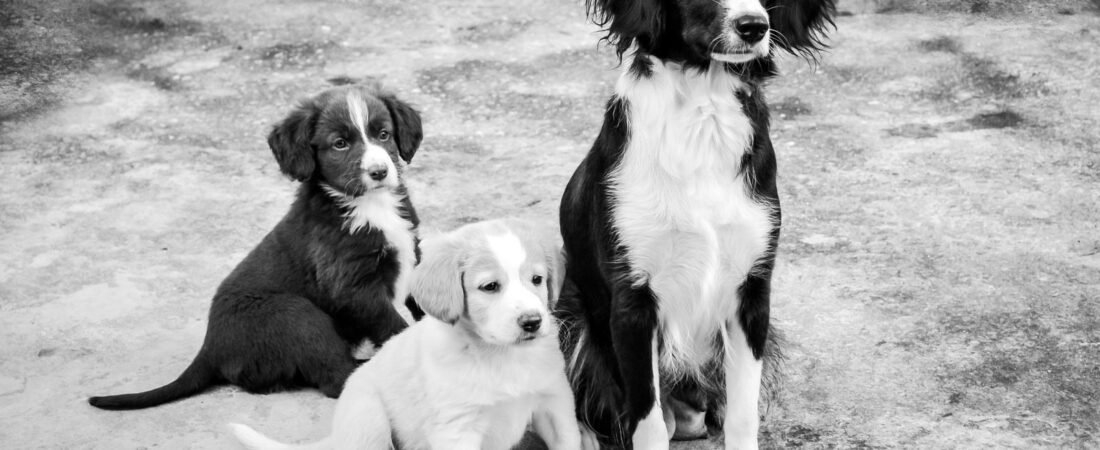
Photo: Aurelio J / Pexels